
Perinatal Mental Health & Substance Use Convenings
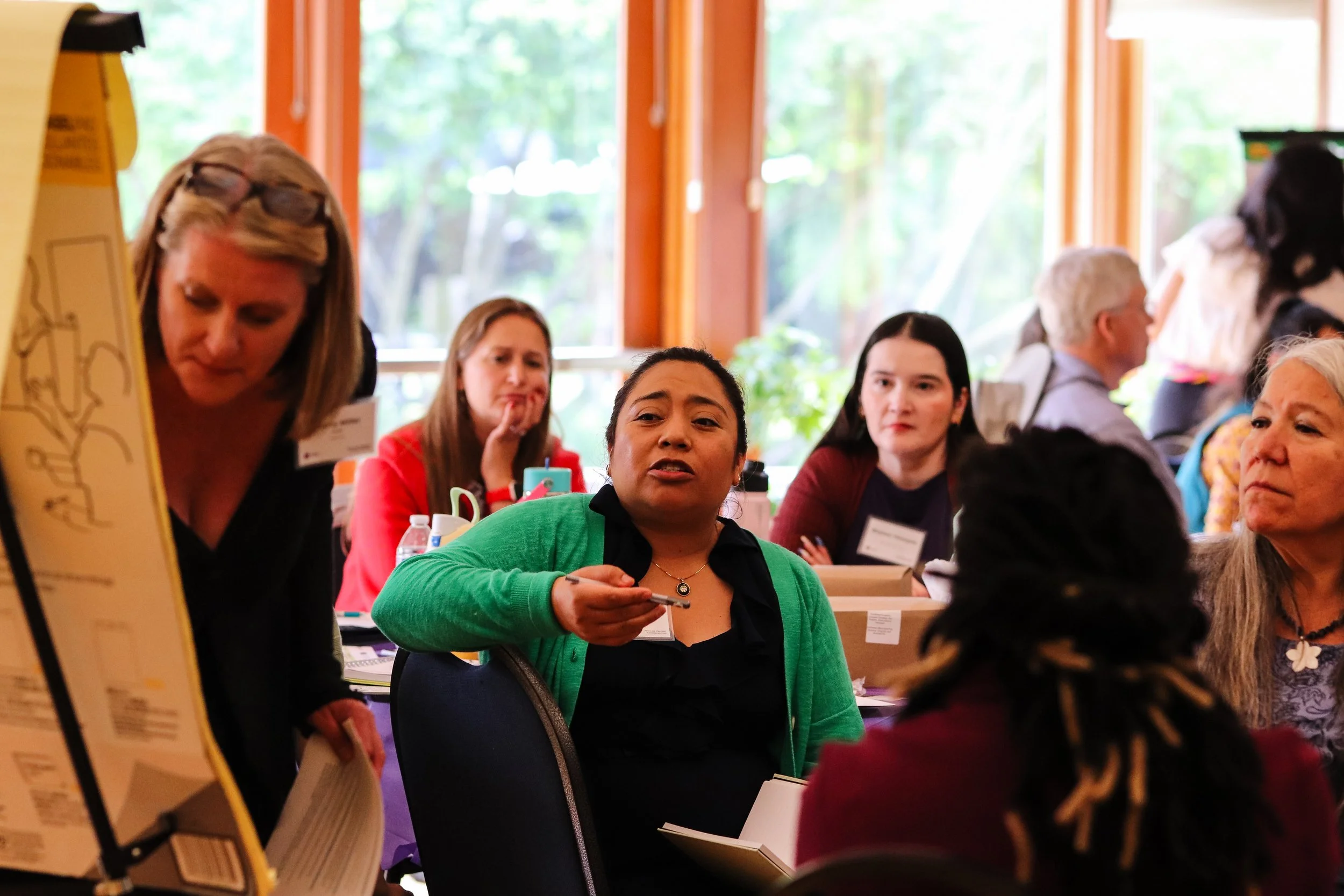
From June to September 2025, Behavioral Health Catalyst (BHC) convened a series of meetings on perinatal mental health (PMH) and substance use, alongside the Perinatal Mental Health & Substance Use Education, Research & Clinical Consultation (PERC) Center at the University of Washington, with sponsorship from Perigee Fund. The goal of the series was to contribute to the Washington Thriving Strategic Plan, which was published in November 2025.
Context
The Washington Thriving Strategic Plan aims to improve behavioral health and well-being from before birth through young adulthood. Mental health conditions are prevalent and can pose a significant risk to pregnant and parenting people during the perinatal period, from pregnancy through the first year of life after birth. Appropriately recognizing, addressing and treating mental health conditions is essential to health and well-being across the perinatal period. The Washington Thriving Strategic Plan prioritizes perinatal mental health due to its role and importance in setting up babies for lifelong relational and emotional health.
You can read more about this in our op-ed here.
Goal
The overarching goal of these three meetings was to inform the Washington Thriving Strategic Plan by developing substantive, clear recommendations for how to improve supports for perinatal mental health in a way that centers the voices of perinatal families and addresses current PMH inequities in Washington state.
Approach
The first meeting, on June 26th, brought people together in person to exchange their perspectives on inequities, gaps, strengths, and opportunities in the current Washington state system(s) of care supporting PMH, and identifying strategic starting points for future investment and policy action. Participants included practitioners, policymakers, advocates, funders, lived experience, and other subject matter experts across the fields of primary care, obstetrics, mental health, substance use and recovery, birthing, and early childhood. Practitioners included community providers such as doulas and community health workers as well as medical clinicians. The event was held in King County, with participants joining from across Washington state.
The group used the public health framework of “All-Some-Few” to organize its thinking about perinatal behavioral health needs. This framework is rooted in tiered prevention models that classify supports for whole populations, groups at elevated risk, and individuals with the most complex needs (e.g., universal, targeted, and individualized tiers).




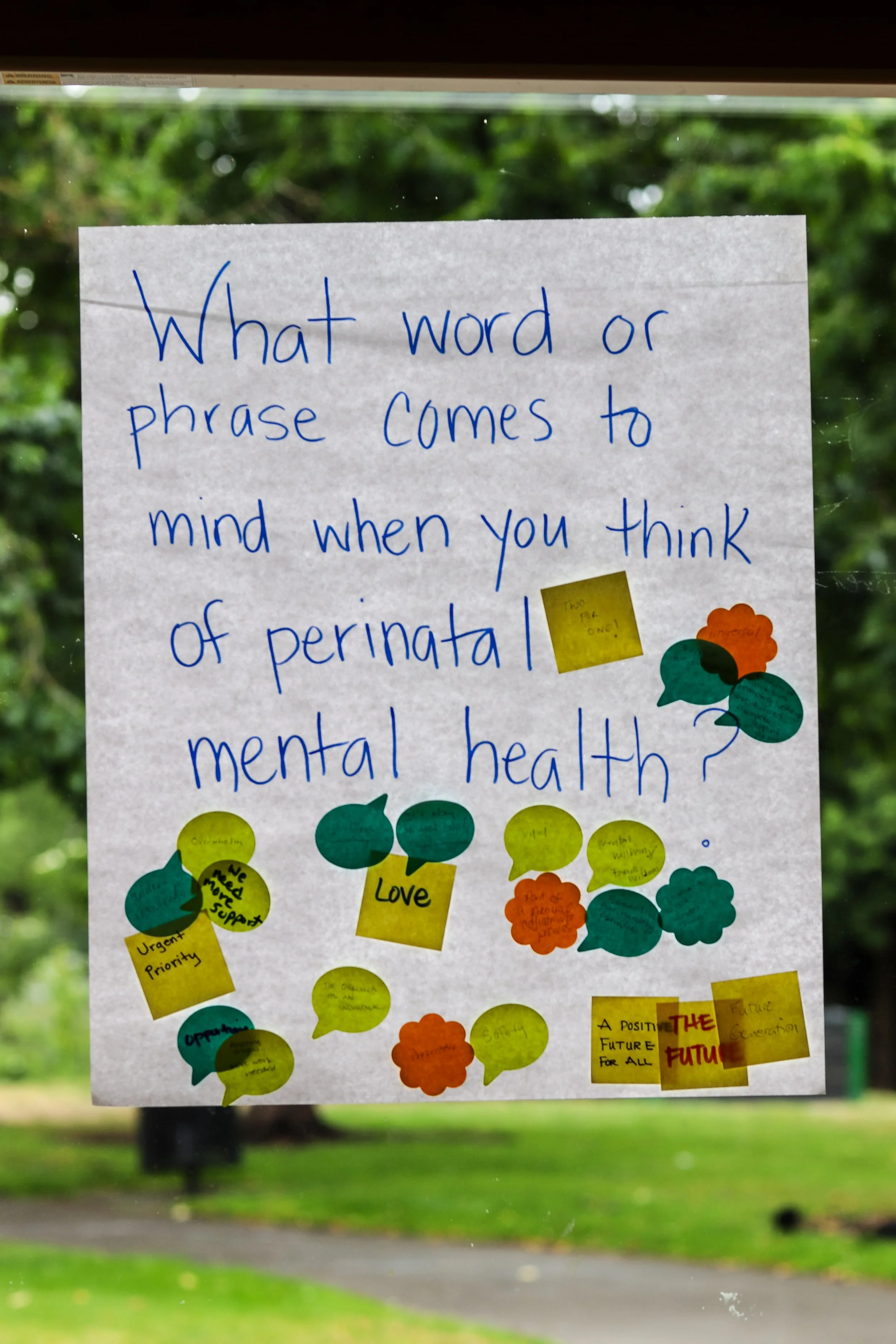
At the first virtual follow-up meeting in July, the group reviewed and refined a summary of the issues and recommendations discussed. At another virtual meeting in September, the group provided feedback on a draft issue brief produced by Behavioral Health Catalyst.
Reflecting the substantial and important feedback provided, Behavioral Health Catalyst substantially revised the issue brief. We are grateful to those who spent time consulting with the team to ensure we understood and effectively incorporated the feedback.
Issue Brief
The perspectives shared at these convenings, along with others shared through the process of developing the Strategic Plan, have been summarized into an issue brief to be published this month as additional content supporting the Washington Thriving Strategic Plan.
The issue brief is meant for a policy-oriented and politically diverse audience of legislators, advocates, state, and regional leadership. Its purpose is to:
Elaborate on the limited information included in the Strategic Plan and acknowledge the various efforts already under way
Provide ideas for potential next steps and memorialize the input we received from community conversations and convenings with experts and community advocates.
Acknowledge important investments Washington state has already made to support perinatal behavioral health and well-being that future work should build on.
This issue brief, along with the many existing reports that informed it, will be an important reference as the plan is converted into action in the coming years.
Next Steps
Governor Ferguson has expressed his support for the Strategic Plan, and legislation is expected to pass this week to establish the infrastructure and leadership necessary for its implementation.
Perinatal well-being is one of four First Initiatives outlined in the Strategic Plan, with a focus on two important areas for action identified in the issue brief: 1) expand culturally responsive, non-stigmatizing screening in clinical and community settings, and 2) reduce barriers to family-centered mental health and substance use care for pregnant and parenting people. Stay tuned for more information and opportunities to contribute to this important work.
To stay up to date on the implementation of the Washington Thriving Strategic Plan and to be alerted when the perinatal issue brief is published, sign up for the Washington Thriving newsletter here.